


Find the cause
Separate tank, pipe, pump and field issues.
Augusta Septic Services is the #1 septic in Augusta, GA. We handle septic pumping, septic cleaning, septic inspections, tank repairs, septic installation or replacement, and drain field services, servicing the greater Augusta area.
We have over 18 years of experience handling installation, oversight, and business development. It's important to start with the cause, then choose the right service. Georgia's base tank minimum is 1,000 gallons for one through four bedrooms. Your system record, soil and sewer access guide the right plan. Expected service life depends on the installed product, site conditions and maintenance.
Separate tank, pipe, pump and field issues.
Know what your estimate includes.
Plan around the actual installed system.
Compare starting prices with the full proposal.
Confirm soils, sewer access and permits early.
Keep records and a practical care schedule.
Start with the service that matches your need. If you are unsure, describe the symptoms.
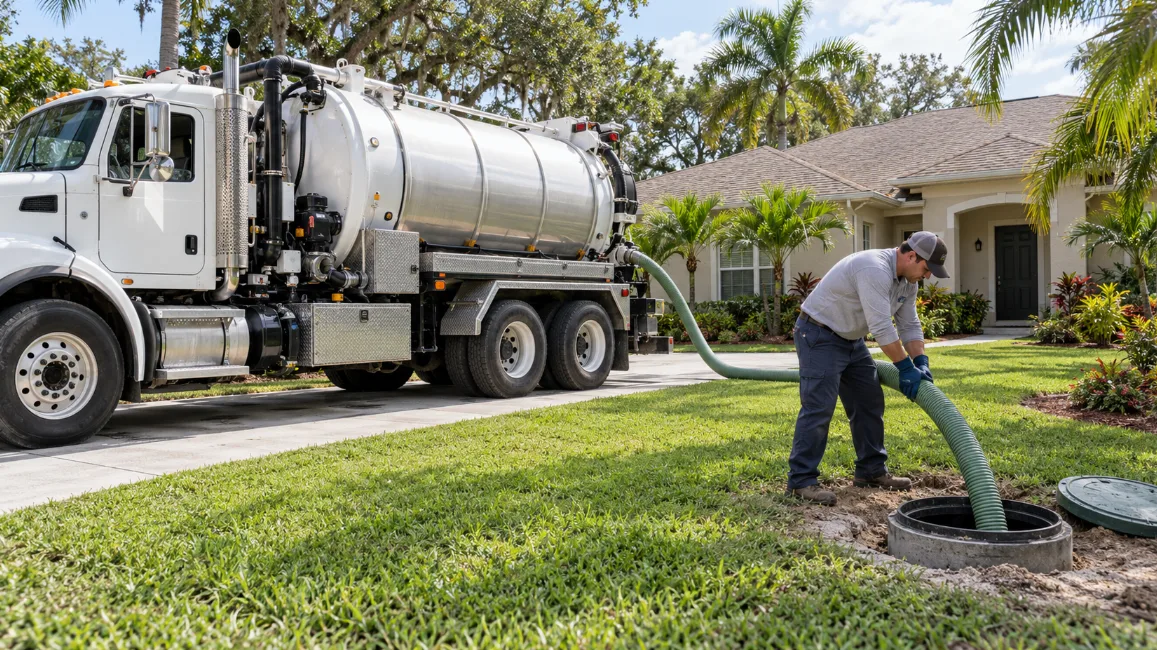
Routine care, a recurring backup or a new system: each starts with a clear scope and the property’s actual needs.
Remove built-up waste. Confirm tank capacity, lid access and the last service date.
Explore Septic ServiceRemove residue after pumping. Ask whether wash-down and deeper cleaning are included.
Explore Septic ServiceCheck accessible components, records and symptoms before buying, maintaining or repairing a system.
Explore Septic ServiceAssess lids, baffles, filters, connections and pumps before deciding whether replacement is needed.
Explore Septic ServicePlan tank capacity, treatment, soil and the field together. Check sewer availability first.
Explore Septic ServiceDescribe the backup and request urgent service. Availability is confirmed separately.
Explore Septic Service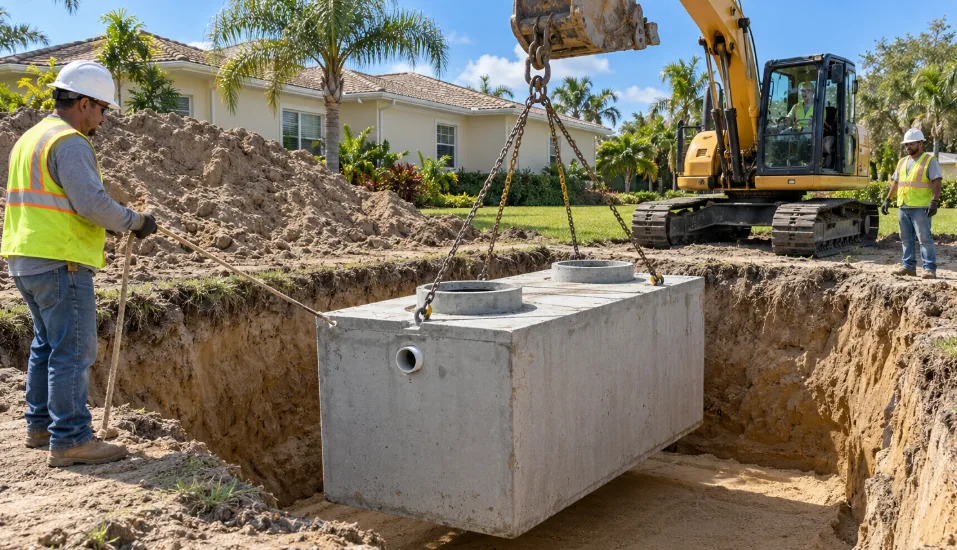
A tank can be sound while the field struggles. Review distribution, soil and groundwater before deciding on repair or replacement.
Separate damaged distribution parts from soil and groundwater problems before choosing repairs.
Explore Drain Field ServiceInvestigate wet spots, odors and recurring backups using records, distribution checks and site conditions.
Explore Drain Field ServicePlan a suitable treatment area when repair is not enough. Review the tank and sewer options too.
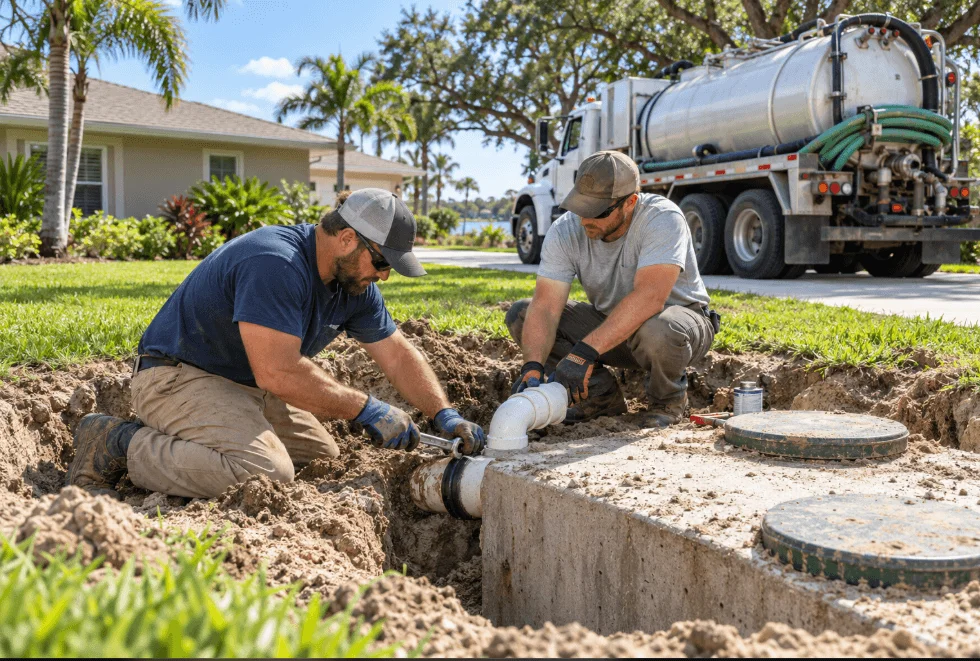
Explore Drain Field ServiceStart with the floor plan, system record, sewer availability and site conditions before choosing a tank or replacement field.
Richmond County listings had a 1,604-sq-ft median in April 2026; the wider Augusta metro was 2,005 sq ft in May. These are different listing markets, not averages of septic homes. Bedrooms and approved use guide sizing.
Check sewer first. Then gather your parcel details, bedroom count, site plan and soil evaluation for Richmond County Environmental Health. Obtain approval before installation or repair; arrange inspection before covering work. Confirm current fees and scheduling directly.
What looks like a tank failure can start in the drain field, the plumbing or the way the property uses water.
Delayed pumping or damaged baffles let waste escape.
Leaks and heavy loads can overwhelm treatment.
The wrong materials clog and disrupt the system.
Rain, groundwater and runoff restrict drainage.
Roots, traffic or broken lines interrupt flow.
Added use, failed pumps and aging parts change performance.
Compare septic types, tank sizes and the permit steps in a few clear sections.
About 1,600 sq ft in Richmond County; about 2,000 across the metro. FRED/Realtor.com reported listing medians of 1,604 sq ft in April 2026 and 2,005 sq ft in May 2026, respectively. These are dated listing figures, not average sizes of all homes or septic-served houses.
A three-bedroom, two-bath home is a planning example, not a measured local average. Bedrooms and approved use matter more than square footage alone.
| Bedrooms | Tank capacity | Important limit |
|---|---|---|
| 1–4 | 1,000 gallons | Approved design may require more |
| 5 | 1,250 gallons | Add 250 per bedroom over four |
| 6 | 1,500 gallons | Garbage grinder: increase required capacity by 50% |
These are storage gallons, not daily treatment flow. Confirm an existing tank from its label and permit record. No reliable Augusta-wide installed-tank average was established.
Augusta’s homeowner guide describes conventional systems as Georgia’s most common. The options below are recognized designs, not a measured Augusta market-share ranking. The field type and treatment equipment are separate choices.
| Type | How it works | What matters |
|---|---|---|
| Conventional gravity | Tank plus gravel-and-pipe trenches | Suitable soil and elevation |
| Chamber field | Open-bottom chambers distribute effluent | Still needs suitable treatment soil |
| Pump-dosed | A pump sends measured batches to the field | Power, floats and high-water alarm; not automatically aerobic |
| Aerobic treatment | Added air supports further wastewater treatment | Approved equipment and ongoing service |
| Subsurface drip | Treated wastewater passes through controlled emitters | Aerobic pretreatment, filtration and approved design |
| Mound | Raised sand treatment area with pressure distribution | Space, soil limits and specialist design |
Heavy and rigid. Inspect seams, covers and walls; provide suitable lifting access.
Lighter shell. Check fittings, support and manufacturer installation requirements.
Lightweight plastic. Correct backfill and groundwater provisions help prevent movement or deformation.
Tank shells, fields and pumps age differently. Inspect the actual condition rather than replacing by a fixed age. Many conventional households pump every 3–5 years; advanced equipment follows its own service plan.
Allow 4–6 business days for initial planning after a complete application, then confirm the actual queue. This is an owner planning allowance, not a county approval promise. Soil work, design and revisions can take longer. Ask the local office for current fees.
Practical answers for Augusta homes and businesses.
Georgia recognizes conventional and chamber systems, plus approved alternatives. Pump dosing, aerobic treatment, drip and mound designs depend on site conditions.
The base minimum is 1,000 gallons for 1–4 bedrooms; add 250 gallons per bedroom above four. Garbage grinders increase capacity requirements by 50%.
Richmond County’s listing median was 1,604 sq ft in April 2026; the wider Augusta metro was 2,005 in May. Neither is an average of septic homes.
No. Pumping removes tank waste; soil and distribution problems need separate assessment.
Start with Richmond County Environmental Health through East Central Health District. Check the property’s actual county and sewer availability.
The 4–6-business-day figure is an initial planning allowance, not a county deadline. Soils, design, missing documents and scheduling can extend it.
Tell us where you are, what is happening and the service you need.